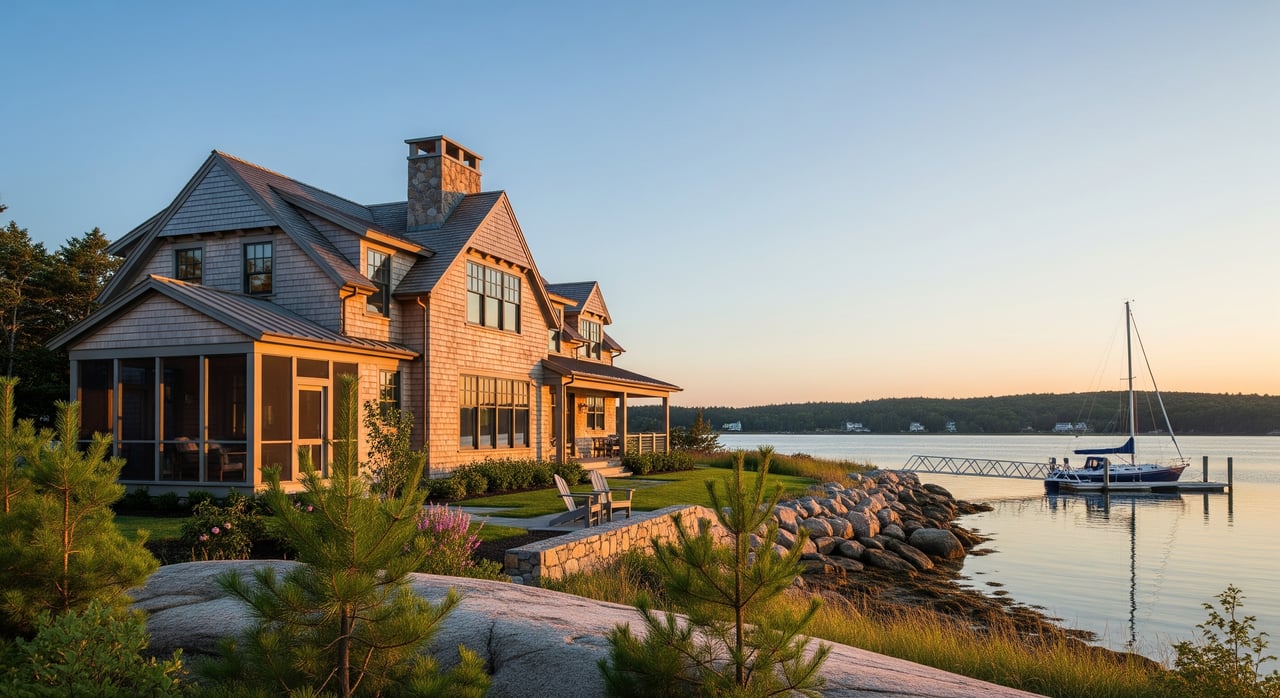
Thinking about a lake or country home in Hope, but not sure if “year‑round” or “seasonal” fits your plans? You are not alone. In Midcoast Maine, the difference affects comfort, safety, insurance, financing, and daily life once the snow flies. This guide explains what the terms really mean in Hope, what to verify before you buy, and how to plan if you want to convert a camp to full‑time living. Let’s dive in.
Year‑round vs seasonal in Hope
In everyday use, a year‑round home is designed and equipped for continuous occupancy through winter. Heating, water, wastewater, insulation, and access all work reliably in freezing conditions. A seasonal home or camp is usually used spring through fall and may be shut down or winterized when vacant.
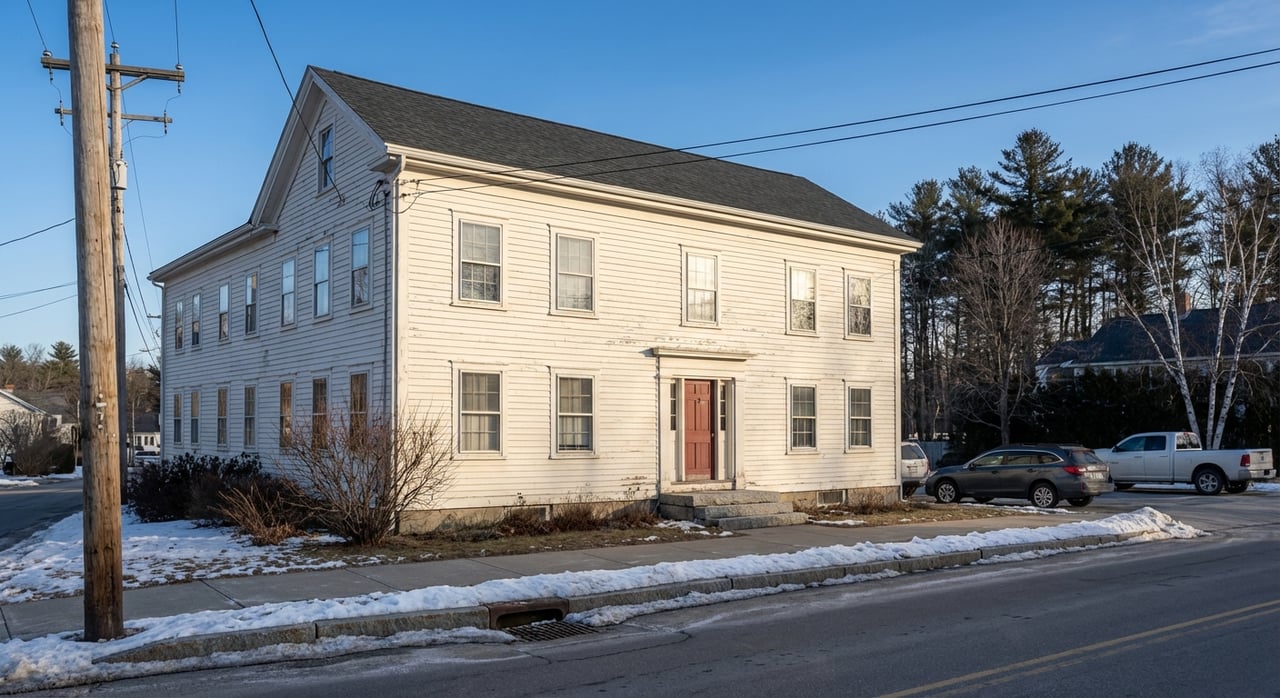
In Hope and across Midcoast Maine, cold, snow, and freeze–thaw cycles place real stress on buildings and systems. Many properties marketed as “camp,” “seasonal,” or “only used summers” were never outfitted for winter. Also remember that “year‑round” is typically a descriptive marketing term, not an official municipal designation. Always verify systems and municipal records rather than relying on a listing label.
What makes a home year‑round ready
Heating you can rely on
In rural Maine, oil and propane are common primary fuels. Electric options, like baseboards or heat pumps, and wood or pellet stoves are widespread as primary or secondary heat. Natural gas is uncommon outside larger towns. For year‑round living, look for a primary system sized for sustained cold and a backup heat source for power outages. Ask for service records, check the age of equipment, confirm fuel storage and delivery arrangements, and note the condition of any tanks and lines.
Insulation and the building envelope
Seasonal cabins often have minimal insulation, single‑pane windows, or unfinished walls and ceilings. A true year‑round home will have insulated walls, floors, and attic, along with tight windows and doors to limit heat loss. During showings, watch for drafts, past ice dams, or heating bills that suggest poor air sealing. If insulation was upgraded, ask what was done and when.
Water supply and plumbing in winter
Seasonal properties may be drained and winterized each fall. Year‑round homes need protected wells and heated or insulated piping. Confirm where the well head and pressure tank are located and if they are protected from freezing. If the tank is in an unheated cellar, ask if there is insulation or plans to relocate it to a heated space. Ask about any past frozen or burst pipes.
Septic sized for full‑time use
Winter occupancy increases wastewater loads. Verify the septic system’s type, capacity, and location, and ask when it was last inspected or pumped. Confirm that it is designed for year‑round occupancy and that components are buried and insulated to reduce freezing risk.
Roof and structure for snow
Roof design and condition matter in heavy snow. Ask about roof pitch, snow load capability, and maintenance of gutters and downspouts. Insulation over living spaces helps prevent ice dams, which can signal heat loss and air leakage.
Utilities and service reliability
Rural electric feeders can be vulnerable during storms. Ask the local utility about outage history and whether lines are underground or overhead. Consider how you will handle outages in winter, including backup heat and water. On some private or seasonal roads, mail, trash, and package services may be limited in winter.
Access and roads in winter
In Hope, some roads are town‑maintained and plowed all winter. Others are private or designated seasonal. That status affects access, plowing, and emergency response times. Always confirm the recorded maintenance status with the Town of Hope office or road commissioner, and ask if there are homeowner agreements for plowing.
Look closely at driveway conditions. Steep or long unpaved drives can be difficult without plowing, sanding, or a 4WD vehicle. If you plan to move in winter or receive large deliveries, factor in the site’s grade and turning radius for trucks.
Permits, insurance, and financing
Occupancy and code
“Year‑round occupancy” can influence what a home must have for permits, like heating, insulation, and egress. The local permitting office can tell you whether a property was permitted for seasonal or permanent use and whether renovations triggered current code requirements. Older seasonal cabins may be grandfathered, and converting them to full‑time use can require upgrades or permits.
Insurance rules for seasonal use
Insurers treat seasonal or vacant homes differently. Policies and premiums can vary, and some carriers require monitored alarms, periodic inspections, or formal winterization when a house sits empty. Coverage can be limited if a property is unoccupied for long periods without the required protections. Ask an insurance agent to quote both year‑round and seasonal scenarios so you understand costs and requirements.
Lender expectations
Lenders classify occupancy and consider property condition. Primary residence and second‑home loans differ from financing tailored to seasonal properties. Some lenders expect year‑round habitability for long‑term loans, and features like non‑winterized plumbing can affect approval. Talk to lenders early and ask directly whether the home’s systems meet their standards.
Questions to ask at showings
- Road and access: Is this a town‑maintained road, private road, or right‑of‑way? Who plows and pays? Is there a written agreement? Is the driveway steep, long, or unpaved, and is it plowed and sanded in winter?
- Heating and fuel: What is the primary heat system, its age, and service history? Is there a functioning backup heat source? Where are fuel tanks located, and are they owned or leased?
- Insulation and envelope: What insulation is in walls, attic, and floors? Have windows and doors been upgraded? Any signs of air leaks or past ice dams?
- Water and plumbing: Is the well protected from freezing? Are pipes in heated spaces or insulated? Has the plumbing been winterized before, and have there been frozen or burst pipes?
- Septic and wastewater: What is the system type and capacity? When was it last inspected or pumped? Is it designed for year‑round occupancy?
- Utilities and communications: Who provides electricity and internet? Is the internet reliable enough for remote work in winter?
- Legal, insurance, and finance: Has the home been lived in year‑round recently? Do permits or records specify seasonal or year‑round use? What does current insurance require for vacancy or seasonal use?
- Emergency services: Where is the nearest fire or EMS station and what are typical response times? How do road conditions affect access during storms?
- Winter performance: When were the roof, gutters, chimney, and heating system last serviced? Any history of winter damage like frozen pipes or ice dams?
- Practical moving: Are there spring weight restrictions that could affect moving trucks or large deliveries? Is there a winter staging area for deliveries?
Due diligence checklist
Before making an offer
- Confirm road maintenance status with the Town of Hope and request any written plowing agreements.
- Ask for heating system service records and fuel delivery details. If applicable, obtain recent inspections for oil or propane systems and tanks.
- Request septic and well inspection reports, ideally from professionals familiar with cold‑climate systems.
- Get insurance quotes for both year‑round and seasonal use so you understand premiums and required protections.
- Consult lenders early about occupancy classification and whether property condition affects underwriting.
During inspection
- Hire an inspector familiar with Maine cold‑climate issues, including freeze protection and insulation.
- Consider separate septic, well, and heating specialists, especially for older oil systems or wood stoves.
- If you plan to convert a seasonal camp, speak with the code office about required upgrades and permits.
After purchase if planning year‑round living
- Upgrade insulation, seal air leaks, and service or replace heating equipment as needed.
- Protect well and plumbing components from freezing or relocate pressure equipment into heated space.
- Set up reliable fuel delivery and a firm plan for winter access, including a plow contractor or suitable equipment and a 4WD vehicle.
- Establish emergency contacts and check‑in plans with neighbors for severe weather or absences.
Common misunderstandings to avoid
- Market label ≠ infrastructure: A listing that says “year‑round” or “camp” is not proof of winter readiness. Verify heating, insulation, water, and septic.
- Road access assumptions: Do not assume town plowing. Many rural and lakeshore roads are private or seasonal.
- Conversion costs: Turning a camp into a comfortable year‑round home often requires upgrades to insulation, HVAC, and plumbing. Budget for retrofits and timing.
- Insurance and vacancy limits: Long periods of vacancy without required checks or winterization can limit coverage or raise premiums.
Seasonal to year‑round conversion
If you fall in love with a camp and want to live there year‑round, start by clarifying permits and code triggers with the Town of Hope. Then sequence improvements that deliver the biggest winter comfort gains: heating system capacity, insulation and air sealing, and freeze protection for water and septic components. Plan for access too, including plowing arrangements and safe fuel delivery.
Because lender requirements and insurance coverage can change once you convert the use, keep your agent, lender, and insurer in sync. A clear plan will help you avoid surprises and spread upgrades over sensible milestones.
Living well in Hope year‑round
Hope’s quiet roads, ponds, and rolling hills are beautiful in every season. With the right systems, access plan, and support team, you can enjoy winter as much as summer. Think ahead about backups for heat and power, a plow plan, and service providers who understand Midcoast winters. Your daily life will be smoother when those details are in place.
If you want a second home you can close up each fall, a seasonal property may be perfect. If your goal is full‑time living or frequent winter visits, verify that the home is built and serviced for the cold months. The difference comes down to infrastructure and access, not just a label.
Ready to explore Hope homes?
Whether you are buying a lakeside camp for summer or a full‑time home for all seasons, you deserve clear guidance on systems, permits, and local winter realities. Our family team pairs hands‑on construction insight with local know‑how to help you choose with confidence. When you are ready, reach out to The Uhll Group at Camden Real Estate Company to talk through your plans and see what is possible.
FAQs
What does “year‑round” mean for Hope, Maine homes?
- It means the home’s heating, water, septic, insulation, and access are set up for continuous winter occupancy, not just summer use.
How can I tell if a “camp” is winter ready?
- Verify a sized primary heat system plus backup, adequate insulation, protected well and plumbing, septic designed for full‑time use, and reliable winter access.
Are private roads in Hope plowed by the town?
- Not always. Some roads are private or seasonal, so confirm road status with the Town of Hope and ask about written plowing agreements.
Will insurance cost more for a seasonal home?
- It can. Policies for seasonal or vacant homes often require extra protections and can have different premiums and limits than year‑round policies.
Can I get a mortgage on a non‑winterized cabin?
- Lenders vary. Some require year‑round habitability for long‑term loans, so ask upfront whether the home’s systems meet their standards.
When should I schedule a move to avoid road weight limits?
- Spring in Maine often brings seasonal weight restrictions that can delay moving trucks and large deliveries, so verify timing with local authorities early.